 Ron’s Short Review: Great little motivational book for dealing with the fears of resistance and just doing the work that you were meant to do.





Ron’s Short Review: Great little motivational book for dealing with the fears of resistance and just doing the work that you were meant to do.

 Ron’s Short Review: No, I’m not looking to get rich through advertising but in business we are constantly “selling” our ideas. Maybe we could do it better with better thought out PowerPoint Headlines or email subject lines.
 Ron’s Short Review: Edgar Schein is probably the father of Organizational Consulting. Great pitch for starting with humility.
 Ron’s Short Review: Moving through the ages: agricultural, industrial, information and now the 2nd machine age. How are really smart machines going to impact us?

 Ron’s Short Review: Great book about creativity. His opening chapter says “If you want a quick fix, put this book down.” Good advice.

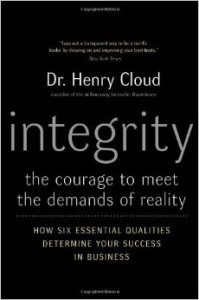 Ron’s Short Review: Dr. Cloud says great leaders have 3 great qualities: competency, team builders and the character not to screw it up. Nice definition of Integrity.
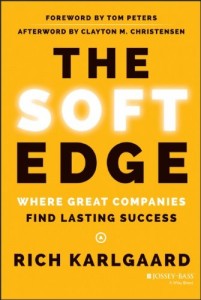 Ron’s Short Review: Hard skills? Soft skills? I agree with Karlgaard that the soft skills are both the toughest to conquer and the most powerful in creating great companies.
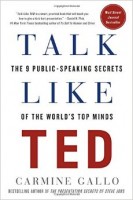
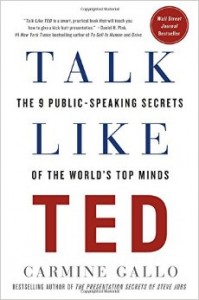 Ron’s Short Review: Gallo also wrote “Presentation secrets of Steve Jobs” which I found very useful. Here he expands the concepts to several wonderful TED presenters. Both books will convince you of the power of good story telling.
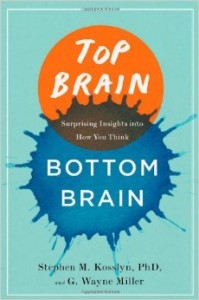 Ron’s Short Review: We seem to be very aware of the right brain, left brain concept. This book gives us a little more balanced view by explaining that the right/left sides are always working together and a better concept is to look at what the top brain, bottom brain do differently. Very interesting.
 Ron’s Short Review: 1. Be the best. 2. Be a meritocracy. 3. We’re here to make a profit. I’m not sure I agree with all of his 78 recommendations but many of them are provocative.
 Ron’s Short Review: I read this for personal reasons to help me figure out a better electronic presence but there are great tips for any sized organization.
 Ron’s Short Review: Many organizations rely on getting better, faster, and cheaper, others rely on innovation to drive growth. Both require learning.