
It doesn’t seem to make much sense, but truly great leaders are humble.
The problem comes with how the word is normally used: Humble is thought to mean shy, retiring, unobtrusive, quiet, unassuming. Being humble can seem weak or, horrors, even borrrrrrrriiiiiiinnnnngggggg.
What does it really mean to embrace humility?
Humility is derived from the Latin word humus, meaning “ground.” One way to describe truly humble leaders is that they have their feet on the ground.
Image Source: Fungirlslim, Creative Commons
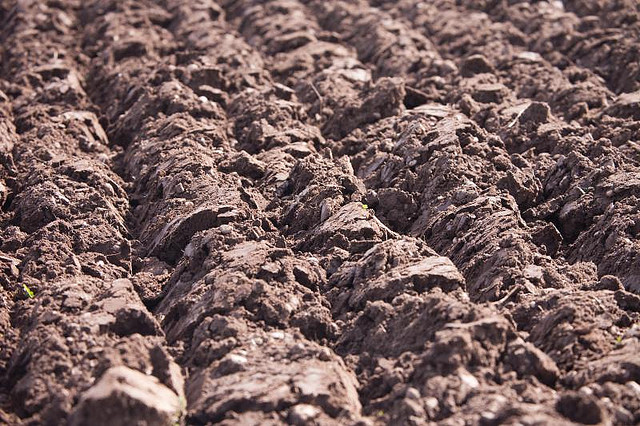
Imagine for a moment a farmer in his field, sitting tall on his tractor, a wake of freshly turned earth foaming off the blade of his plow. He is sunburned. His arms are as sturdy as fence posts. He’s a man of the humus—the earth. You could call him humble. Does this image suggest a lack of competence or strength? Do you sense it would be easy to take advantage of him? No, this image is one of strength and resilience. Think velvet-covered steel.
Humility is the first pillar of a leader whom others will trust.
A humble person sticks to the basics and is not prone to exaggeration. How much better off would we be today if the leaders of some of our fallen corporate behemoths had kept their heads out of the ozone and their feet on the ground?
Perhaps the most significant quality of humble leaders is their steady, clear-eyed perception of truth. A proud leader is prone to spreading and believing exaggerations—from little white lies to whopping falsehoods. Which high-powered modern leaders, intent on vanquishing foes and surmounting tall challenges, ever want to be known as humble? Not many—until, of course, they find out that humility is a critical first step on the path that leads to leadership success.
How have you defined humility in the past? Has an incorrect definition caused you to avoid humility in your leadership style?
 Ron’s Short Review: This is actually a collections of articles that the Heath’s wrote for Fast Company but it’s a great collection of the myths in business that keep us from simply doing the hard work it takes to succeed. Quick read but nicely thought provoking.
 Ron’s Short Review: “Messes are made of information and people.” The concept of messiness is guiding me through my next book about building great teams. Abby introduces us to Information Architecture. A great concept.
 Ron’s Short Review: These guys have a great writing style and cover great topics. Here they cover the 4 villains of decision making and how to overcome them.

 Ron’s Short Review: The concept is that doing small things can lead to big results. But what a slog. I don’t often give up on books but after reading for days and getting to chapter 10 which was only 20% of the way through the book, I gave up and read three other books in a few days. I think there are good nuggets and I’ll get back to it but can’t complete it now.

 , has this to say:


 The best teams and leaders. Over my consulting career I have observed many teams and leaders improve their effectiveness by learning to balance their MBTI preferences. The most effective teams are the ones that, either naturally or through process balance their preference diversities and use that balance for better decision making and corporate impact. Also, the best leaders I have ever worked with seem to have no strong preferences when it comes to working with their people in spite of the fact that they and I know that they possess very strong personal preferences. Great teams and leaders have learned to balance their natural preferences.
 , Chris lays out numerous frameworks on how teams work. One of the most powerful for me and many of my teams is understanding the meaning of the word “Decide.”